
Computers
Where the work happens.
Why neighbors care · The reason for everything else, and the part that takes the least land.
A plain-English guide · San Antonio
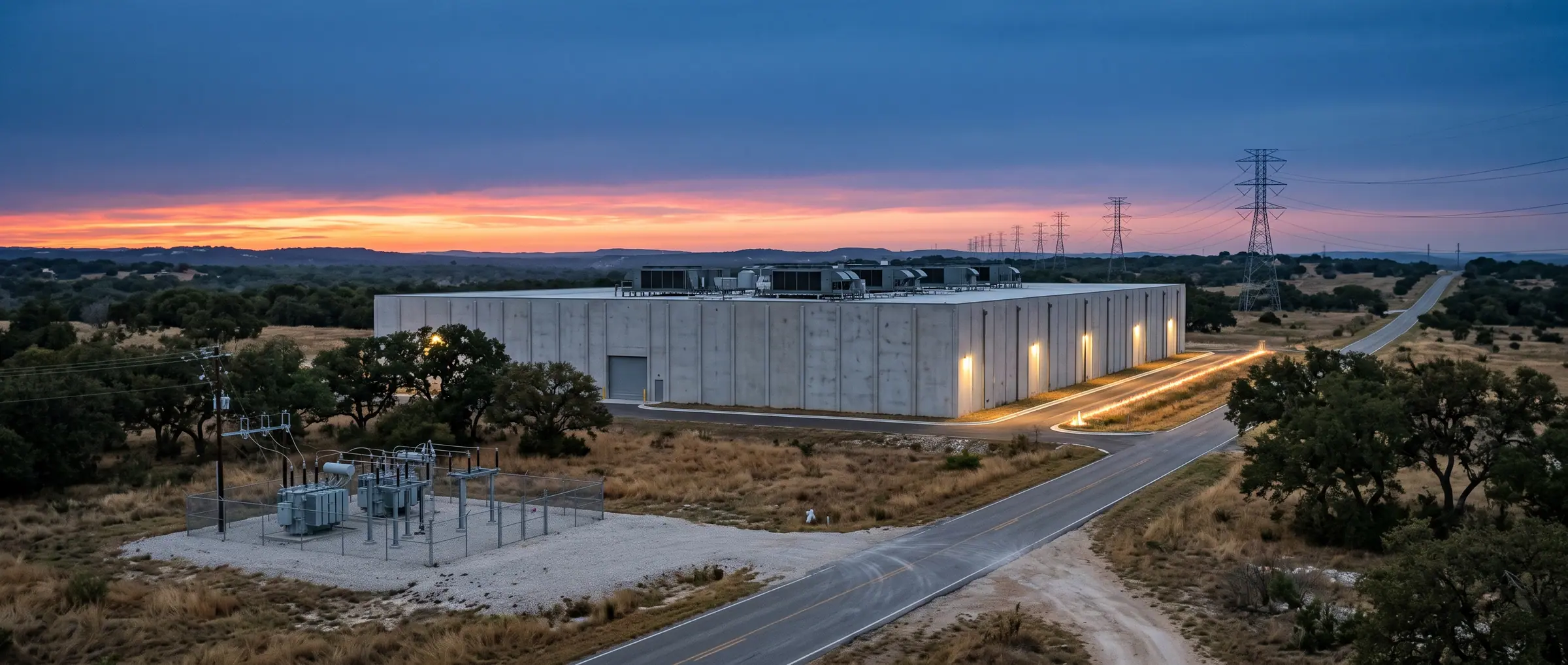
Somewhere in Texas right now, a warehouse full of computers is holding your photos, your bank balance, and tomorrow's weather forecast. This is what those buildings are, why they matter, and what they ask of a city.
About 10 minutes. Everyday language. Public numbers, not slogans. We don't tell you how to vote.
21
Already running here
335 MW
Power that is signed
26,146 MW
Power that has been asked for
~0.1%
Of today's drinking water
01 · The basics
A data center is a building full of computers that other people use over the internet.
No cloud, no magic. The hard part isn't the computers. It's everything around them: the electricity, the cooling, and the land.
It stores things. Your photos, medical records, tax filings, and the video you watched last night live on disks in a building like this.
Every part of the building, explained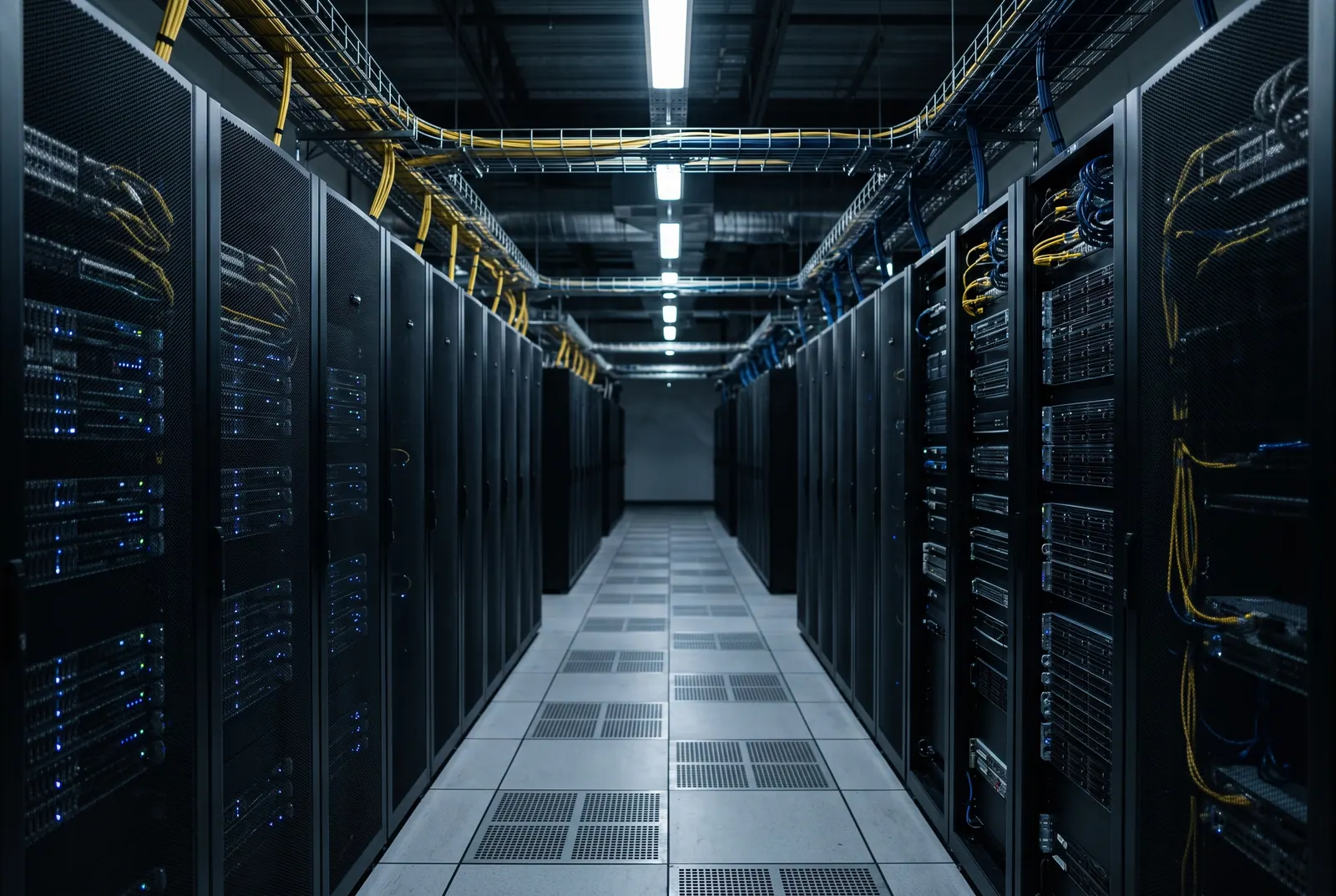
02 · What's inside
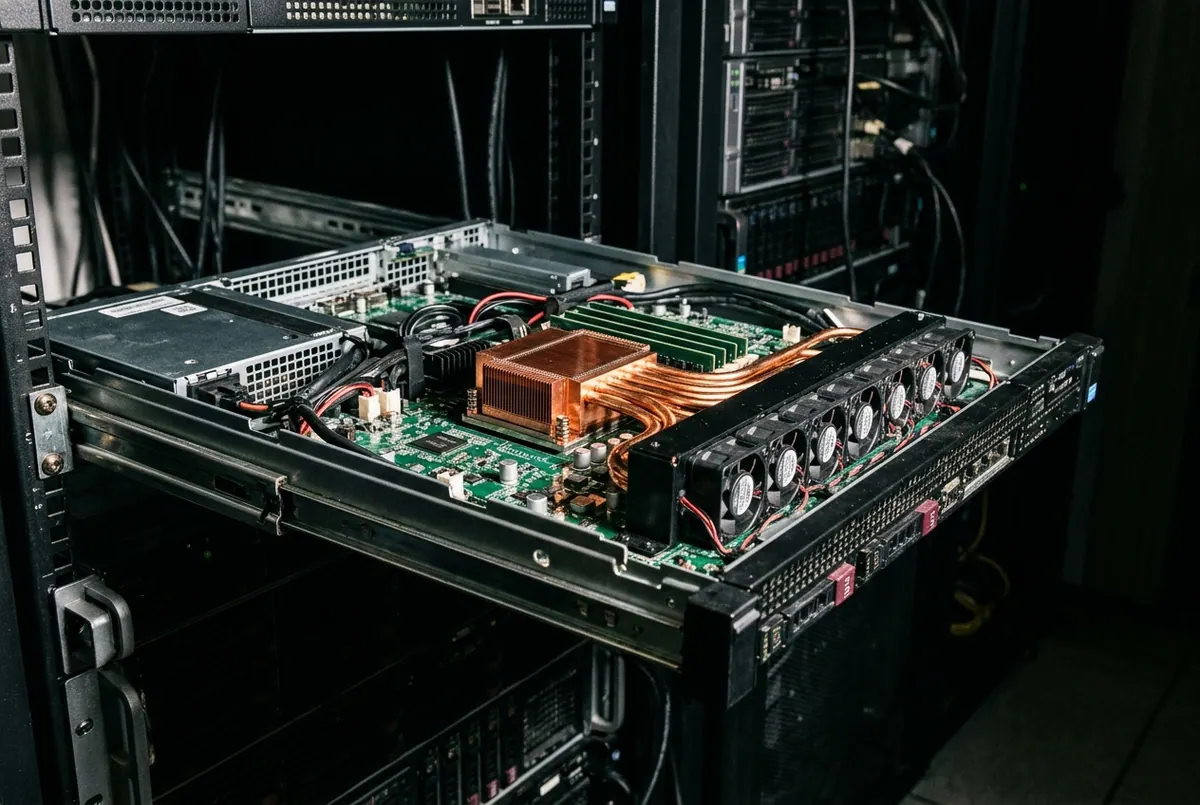
Where the work happens.
Why neighbors care · The reason for everything else, and the part that takes the least land.
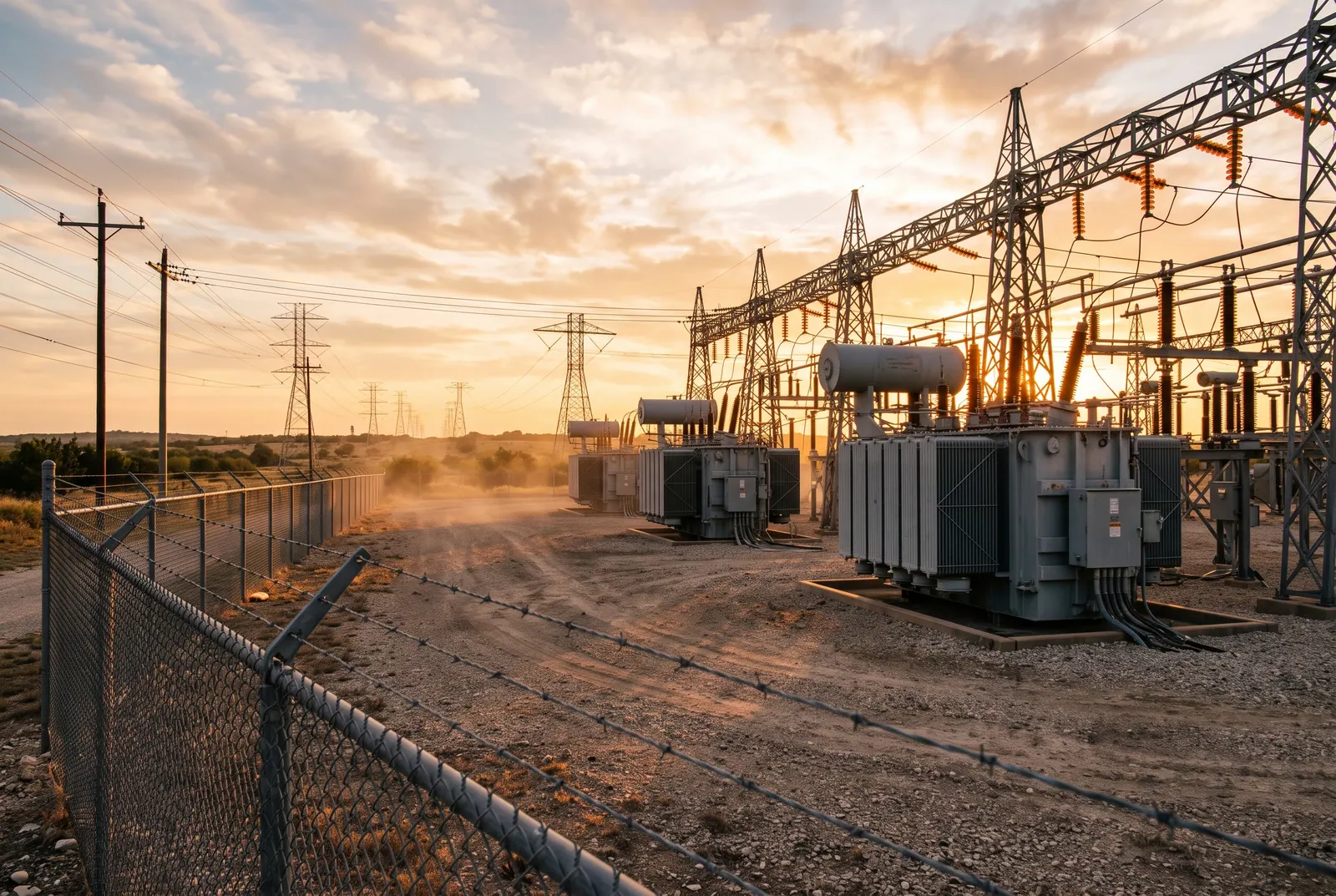
A substation steps grid electricity down so the building can use it.
Why neighbors care · Wires, transformers, and who pays for them are usually the real fight.
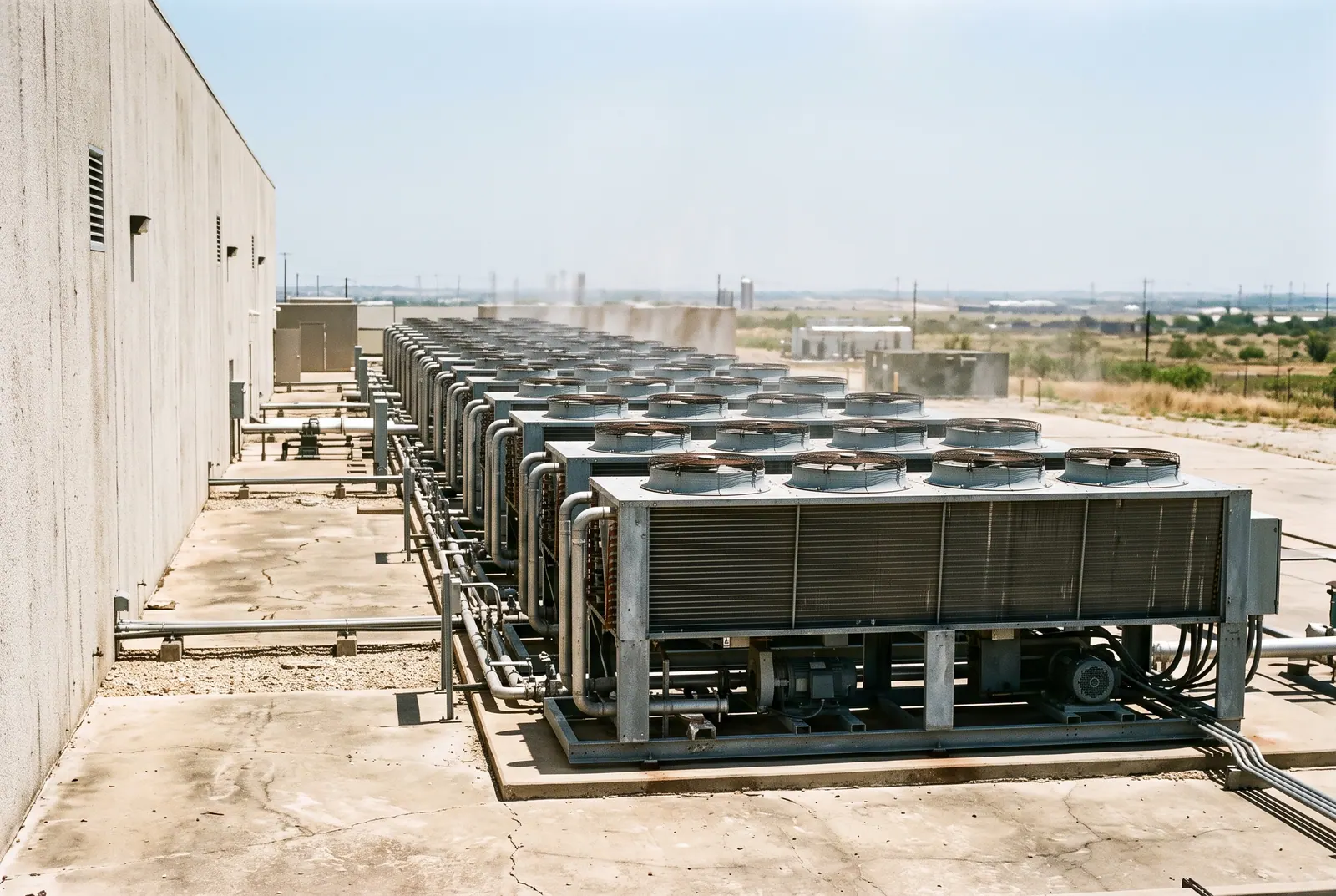
Work makes heat. Fans, radiators, or cooling towers move it outside.
Why neighbors care · This is where water enters the story, or doesn't, depending on the design.
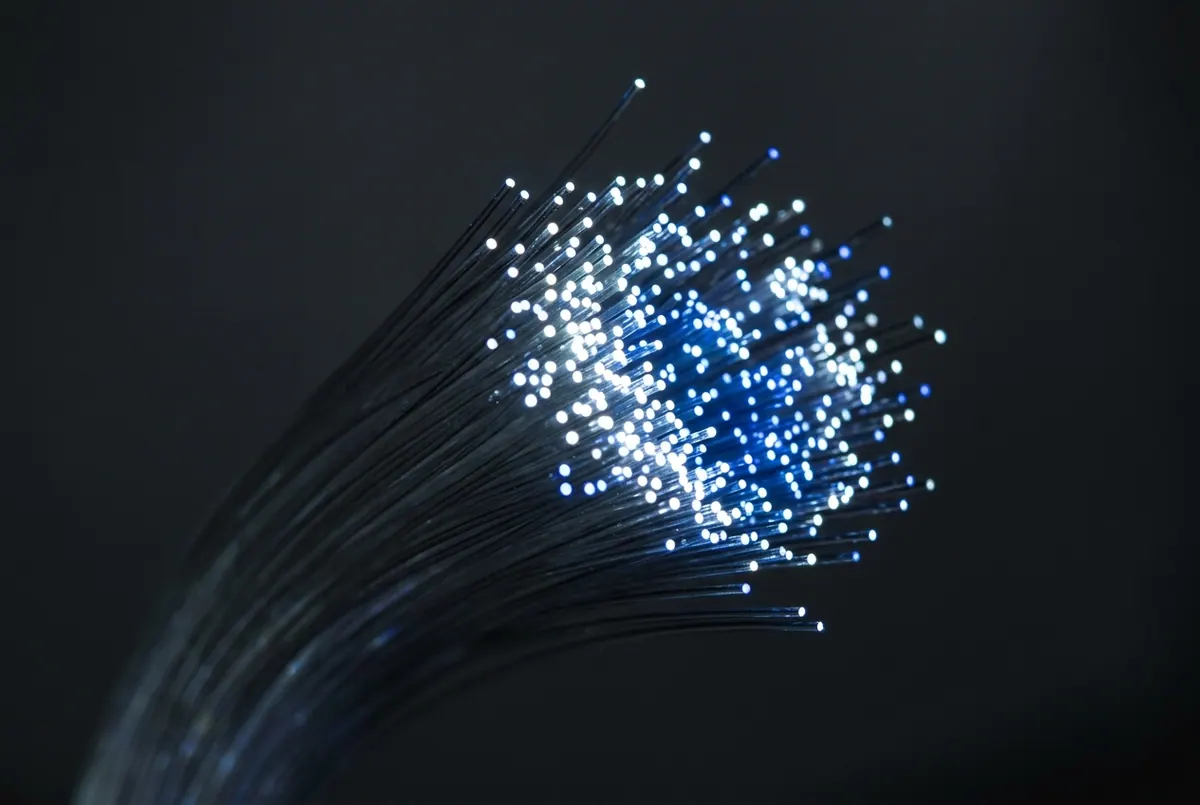
Glass fibers carry the answers back to your phone.
Why neighbors care · Quiet, small, and the reason these buildings cluster near cities.
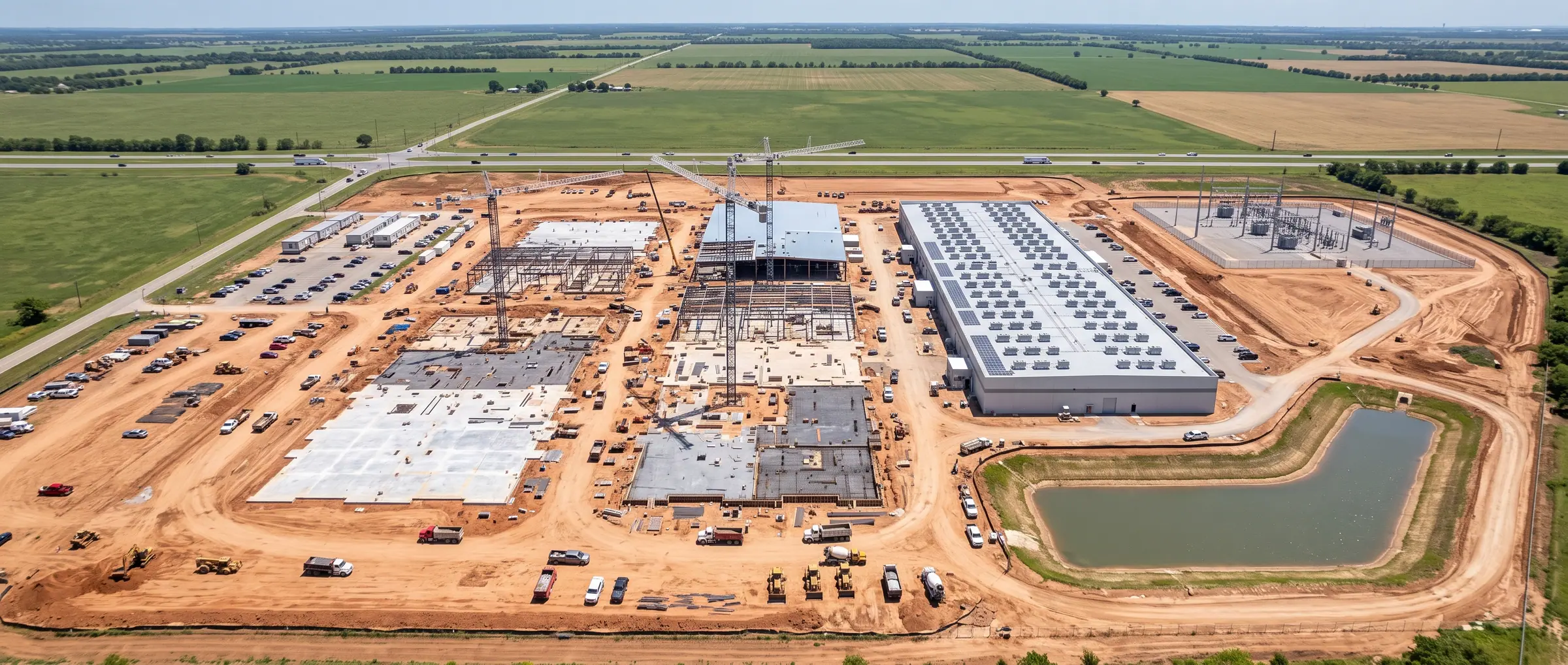
03 · Why it matters to you
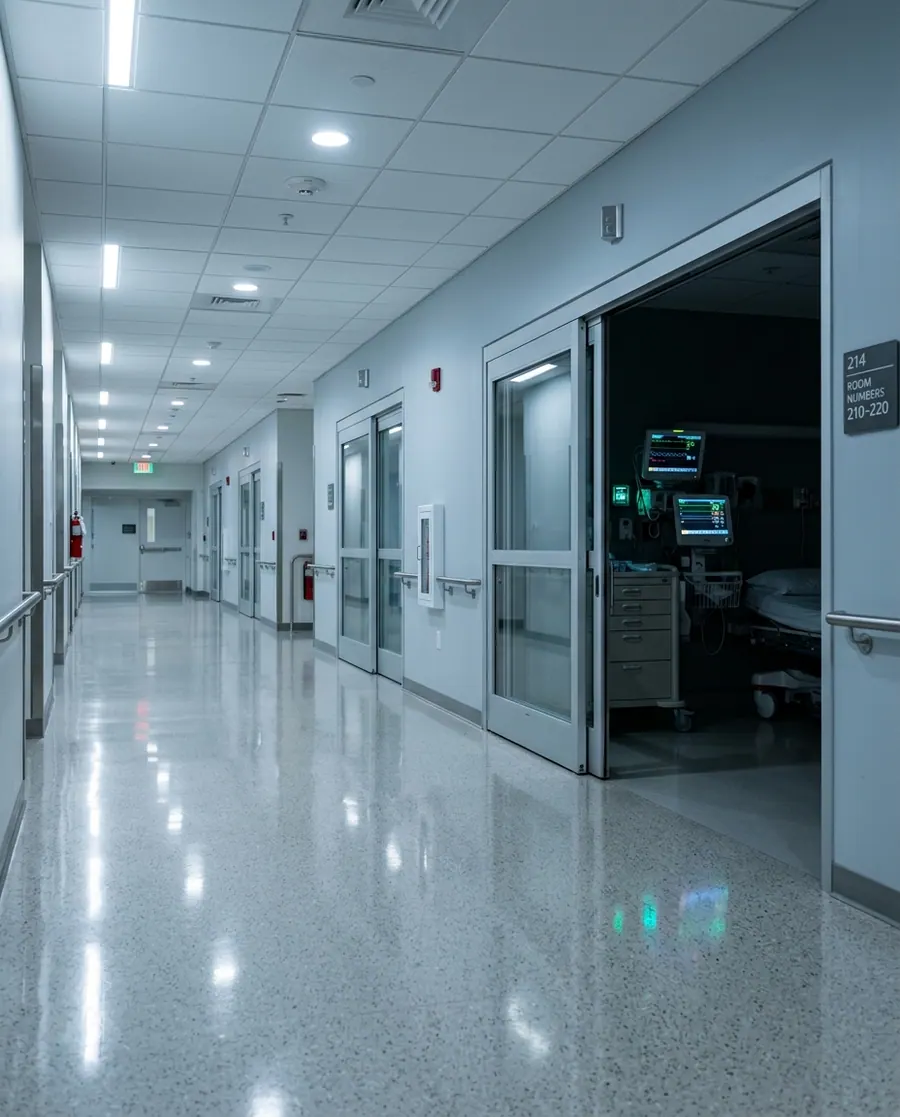
Health
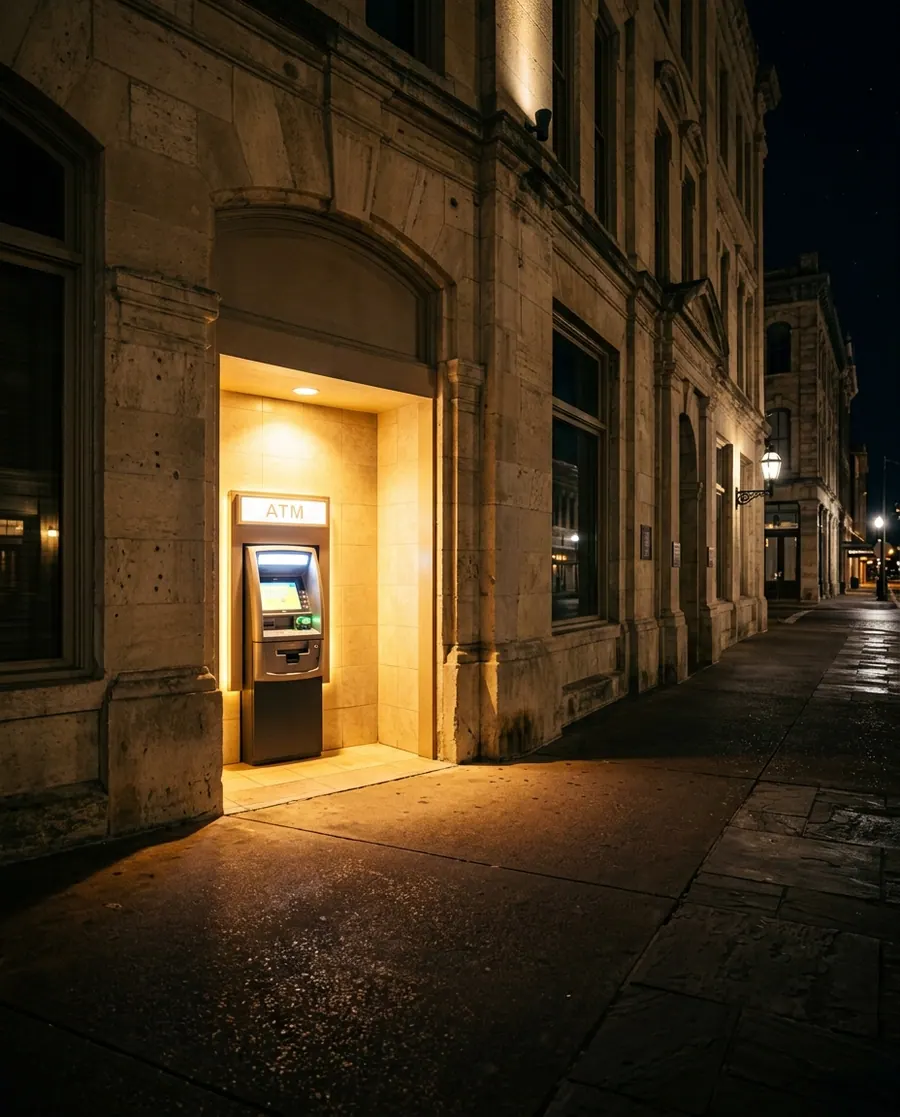
Money
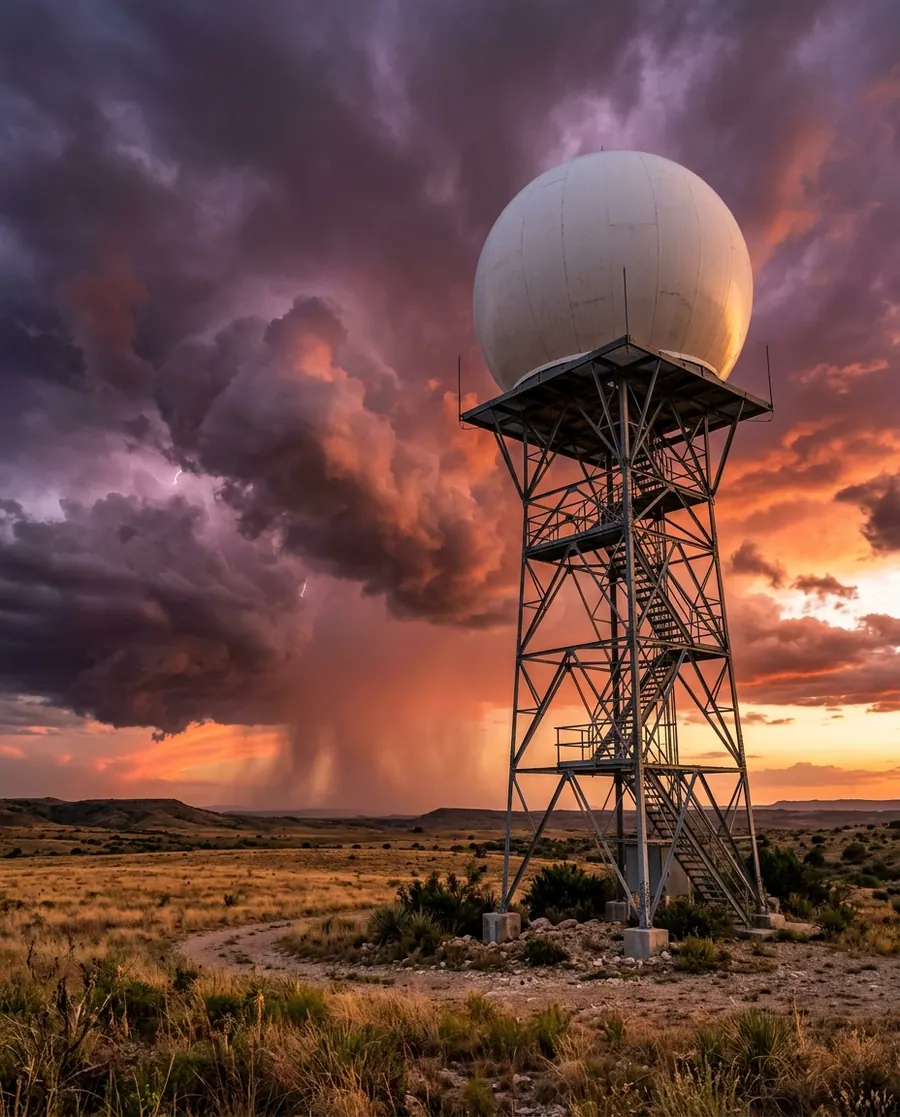
Safety
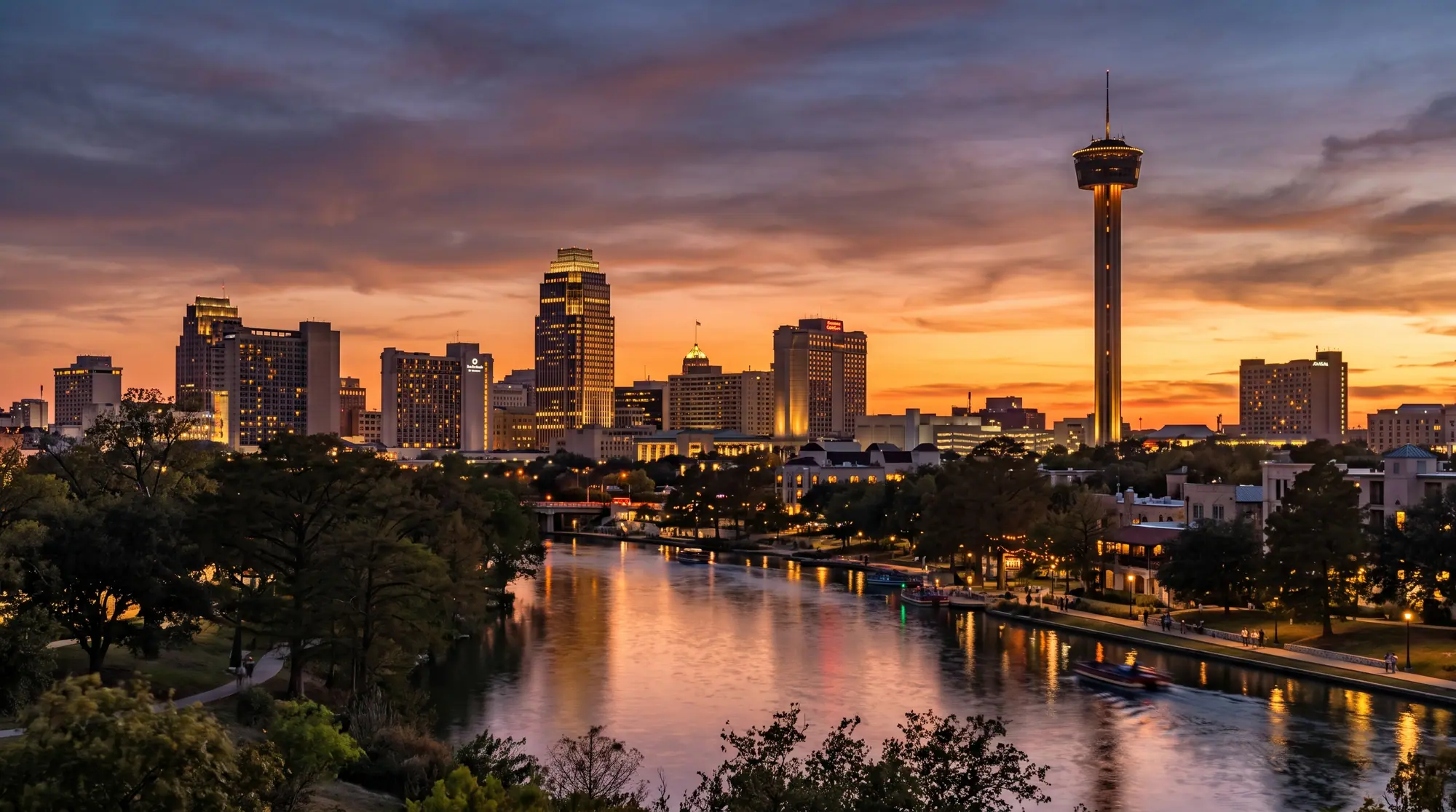
04 · Why it matters to San Antonio
A city can get
It asks for
05 · Where San Antonio stands
From CPS Energy and SAWS briefings to the city. A request is not a running building. Today's water use is not tomorrow's.
21
Already running here
CPS Energy told the city it was powering 21 data centers, March 2026.
335 MW
Power that is signed
CPS Energy large-load briefing, as of 12 Jan 2026. Signed is not the waiting list.
26,146 MW
Power that has been asked for
Same briefing: 59 projects on a request list. A request is not a running building.
~0.1%
Of today's drinking water
SAWS, March 2026. Future requests are larger. Site-by-site gallons are not public.
06 · You may have heard
4.4%of U.S. electricity in 2023
The cloud is a building full of computers, power gear, and cooling. Your phone, your bank, the weather, and hospital records already use one. National labs track their electricity because they are real loads on the real grid.
Lawrence Berkeley National Lab, 2024 U.S. data-center energy report
A hospital computer room and a giant campus are both called data centers. Size, cooling, and location change power, water, noise, and land by a lot — not a rounding error. Headlines usually show the giant ones.
Lawrence Berkeley National Lab, 2024; The Green Grid
335 MW signedvs 26,146 MW asked
CPS Energy listed 59 projects asking for 26,146 MW. Only 335 MW was actually signed. The waiting list is real. It is not a construction schedule, and it is not your bill.
CPS Energy large-load briefing, as of 12 Jan 2026
It depends who pays for new plants and power lines. CPS has said existing data-center contracts are written to recover costs. That is not a promise about every future project. A company asking for power is not using it yet.
CPS Energy briefings, 2026
The liquid on the computers is usually a closed loop — like coolant in a car. City water is used, or not, outside the building. A cooling tower turns water into steam. A dry cooler is more like a car radiator.
ASHRAE and The Green Grid cooling practice
Building one can put hundreds of people on a site for a year or two. Running one takes a small, specialized crew. Mixing those numbers is how a press release misleads a city council.
Hamm Institute workforce study, 2025 (industry benchmark, not a San Antonio payroll)
~80% of respondentsnot 80% of the city
About 80% of people who filled out an opt-in survey said they opposed. That is a share of respondents, not a share of the city. Full results have not been released. Treat it as a pulse, not a census.
Community survey, 2026 · preliminary, opt-in

07 · Pick a path
Quick answers
A data center is a building full of computers that other people use over the internet. When you open an app, check a balance, or watch a video, a computer in one of these buildings does the work and sends the answer back to your phone.
They already run your bank, your medical records, the weather forecast, 911 routing, and most apps. They are invisible until one is proposed nearby, and then the size, cooling, and location decide what it costs a city.
It depends on the cooling design. A cooling tower uses water and some of it leaves as steam. A dry cooler works like a car radiator and uses little water on most days. Liquid cooling at the chips is usually a closed loop, not city water.
CPS Energy told the city it was powering 21 data centers in March 2026. As of January 2026, 335 MW of new large-load power was signed, while 59 projects had asked for 26,146 MW. A request is not a running building.
Building one can put hundreds of people on a site for a year or two. Running one takes a small, specialized crew. Construction jobs are real and temporary; permanent jobs are dozens, not thousands.
Covering this, or voting on it? For journalists · For policymakers · Every source
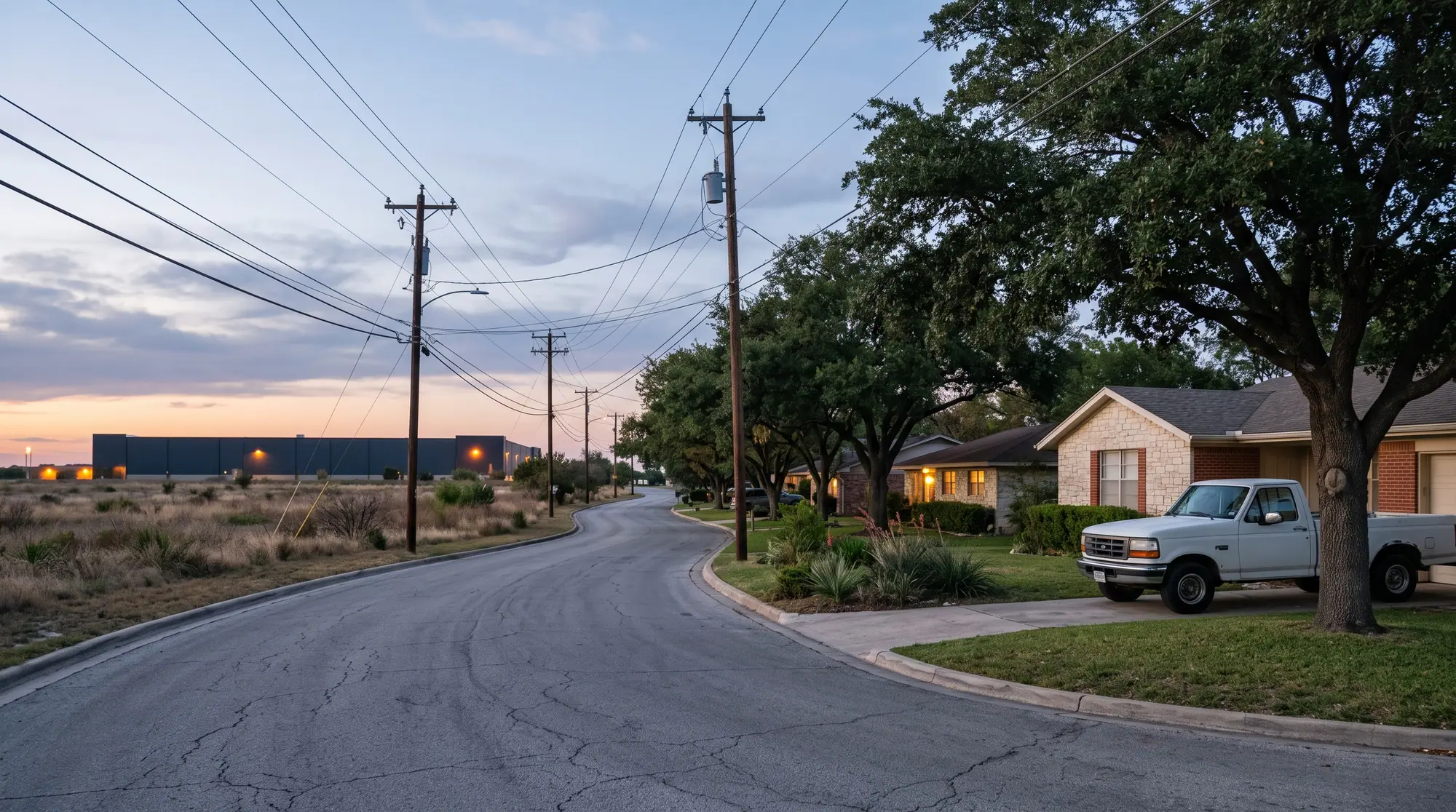
Before San Antonio says yes or no, we should know what we're saying yes or no to.
Walk through one